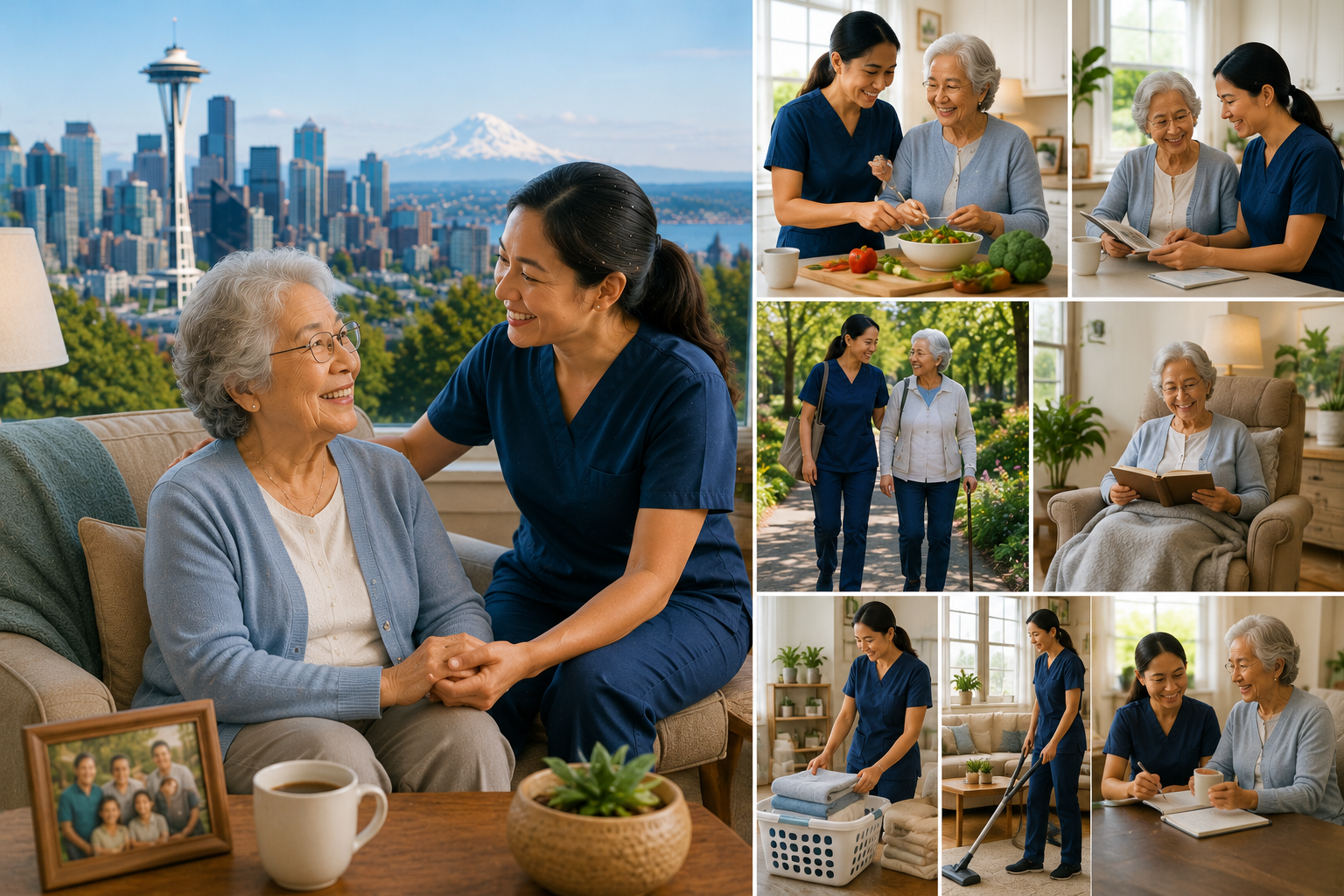
Seniors who require support can receive home care which is an array of supportive services that are delivered in the senior's own home. The main goal of these services is to assist seniors in remaining as independent as possible and to provide them with some level of assistance for daily living activities.
The type and amount of home care services will vary depending upon each senior's need for assistance. Services could be: personal care, companionship, assistance with household chores, or other health-related services performed by trained medical professionals.
Seniors often prefer home care so they can continue to live in familiar surroundings, maintain their routine and relationships within their family and friend circle, and also maintain their connection to their local community.
Home care offers many benefits for older adults who wish to remain in their own homes while receiving Support tailored to their needs. Some of the advantages include:
For many families, home care provides peace of mind while allowing loved ones to continue enjoying the lifestyle they value.

Home care is customized to fit many different types of needs based on how much support an individual has with their health and their ability to do things independently.
Personal care helps senior citizens with everyday tasks in order to help them maintain some sense of independence and self-respect through helping them bathe, dress, groom themselves, use the toilet and move around.
Companion Care helps reduce feelings of loneliness by giving seniors companionship through conversation, social interaction and getting rides when needed. Companion Care also provides assistance with day-to-day routines.
Homemaker Services assist with domestic duties that may become too difficult for older adults to perform alone. Homemaker Services include assistance with light housekeeping, preparing meals, doing laundry, buying groceries, and organizing the living environment.
There are times when seniors need skilled home health services at home due to illness. Some examples of skilled home health services are; wound care, taking medications (medication management), physical therapy, and nursing services prescribed by a physician.
Respite care allows family caregivers to have a break from caregiving so they can take a vacation, go out with friends or family members, or simply relax. Respite care gives caregivers the opportunity to get away from the responsibility of caring for a loved one temporarily.

The benefits of home care are that they provide a senior with:
Since every individual's circumstances differ, it is essential to assess the current and potential long-term care requirements for all parties involved when considering alternative care options.

Preparing early for Home care gives families more time to consider and explore services available, discuss their personal preferences, and develop a plan that supports independence over the long-term.
When planning for Home care, take into account:
When you have thoughtfully made a plan, you will be able to adjust your care plan as your needs change over time.
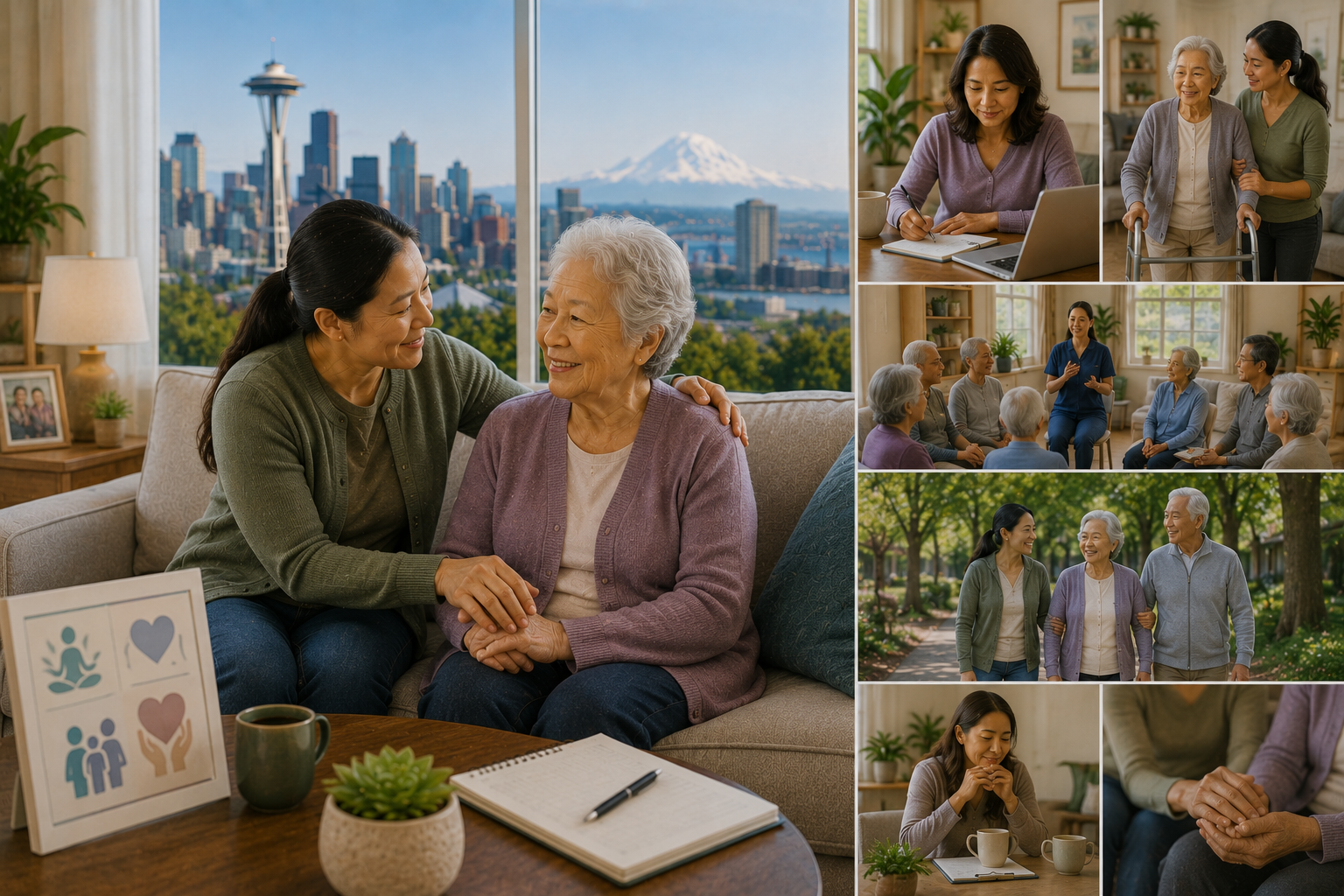
Families of Seattle residents are typically a key factor in helping elderly family members stay safe at home. Caregiving can provide an opportunity to contribute positively to the life of another person, but this contribution can have significant physical and emotional demands on the caregiver. Seattle area families may be able to benefit from caregiver education, community-based programs and services (such as adult day care), and other forms of respite care and local support services that will assist them in maintaining their own physical and mental health while they continue to provide high-quality care for their loved one.

Many older adults decide that they will age-in-place using a combination of in-home care, healthy lifestyle habits and home modifications.
The following strategies are helpful:
• Making sure your home is safe from falls
• Installing grab bars and handrails in areas where you may need them.
• Maintaining an ongoing schedule of regular doctor visits.
• Staying active physically.
• Creating a support system (e.g., family, friends)
• Planning for future changes in your level of care.
• Regularly reviewing your plan of care.
With these suggestions, many seniors can continue to be safe, comfortable and independent for a longer period.
Home care is a service that helps to allow elderly individuals to live safely at home. This is done through assisting them with daily activities (personal care), companionship (social interaction) and/or completing household tasks. In addition, some agencies will also assist with skilled health care services as needed.
Older adults, persons who have undergone surgery, those with a chronic illness or anyone else who requires assistance with basic living skills but still wishes to continue living at home.
While there are home care agencies that provide skilled medical services such as nursing care and therapy; most agencies are focused on non-medical assistance. Non-medical services provided could be as simple as bathing/showering, dressing, eating, etc., or it could be providing companionship and performing housekeeping duties.
An assessment of an individual's current and potential need for future care, along with consideration of an individual's level of independence, ability to safely live in his/her own home, and individual preference should all contribute to determining what type of care would best meet each person's needs.
Yes. Home care can serve either as a temporary source of relief for you, or as an ongoing alternative to your role as a primary caregiver for your loved one.
No. WA Long Term Care Options is an educational resource that provides information about long-term care planning, home care, and available care options for Washington residents. We do not provide healthcare services or professional medical advice.
Home care is a great choice for many older adults who want to stay independent as they age but need some support with daily needs. With education on what services are out there and advanced planning; you will be able to make well-informed choices which support your loved one's overall health, happiness and quality of life.